Create Guide
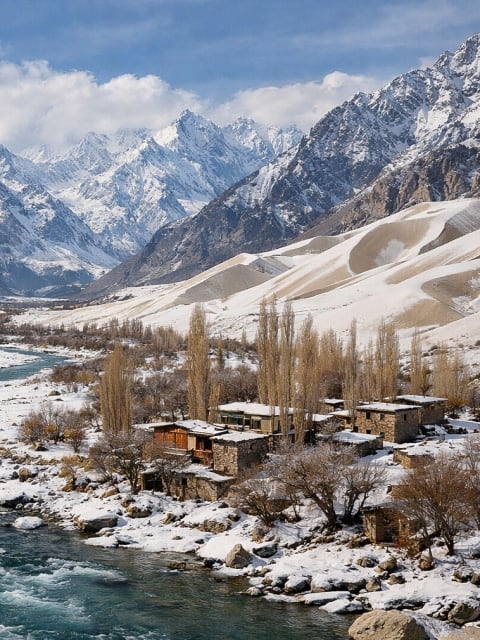
Picture of Shigar Valley, Shigar

Travel Guide for
Shigar Valley

Cold desert, harsh winters, mild summers

Introduction

Shigar Valley, nestled in the heart of Gilgit-Baltistan, Pakistan, is a breathtaking gateway to the mighty Karakoram mountains and the starting point for treks to K2. Flowing along the Shigar River, the valley is dotted with apricot orchards, traditional wooden homes, and ancient mosques.

Rich in history, Shigar Valley houses the 400-year-old Shigar Fort, a beautifully restored palace reflecting the region's Balti culture, Tibetan influences, and Islamic heritage. Friendly locals and vibrant festivals welcome visitors throughout the year.

Travelers are drawn here for the stunning landscapes, peaceful ambiance, and opportunities for trekking, photography, and experiencing authentic Balti hospitality. Shigar Valley is truly a hidden gem for nature lovers and culture enthusiasts alike.

Customized for these preferences:

Travel StyleNot specified

DatesDate not specified

BudgetNot specified

AccommodationNot specified

Interests and Activities:

Not what you're looking for? Create Your Own Guide!

Picture of Shigar Valley, Shigar

Itinerary

Immerse yourself in the breathtaking landscapes and tranquil ambiance of Shigar Valley, taking time to acclimate to the high-altitude scenery and absorb the area's natural beauty.

Scenic Walk along the Shigar Riverbanks

Take a gentle walk along the tranquil Shigar Riverbanks to soak in the valley's natural beauty. Ideal for your first day, this peaceful walk allows you to acclimate slowly while enjoying the fresh mountain air and stunning views of distant peaks.

Visit to Organic Apricot Orchards

Explore local apricot orchards and witness how the valley's famed fruit is cultivated. Take the opportunity to sample fresh apricots and interact with friendly orchard owners, learning about the agrarian traditions of Shigar Valley.

Relax in a Traditional Shigar Guesthouse Garden

Unwind in the lush gardens of a traditional Shigar guesthouse, surrounded by poplar and willow trees. This is a perfect setting to sip local tea, journal, or simply absorb the serene mountain ambiance after your arrival.

Key Facts

Location

Gilgit-Baltistan, Pakistan

Currency

Pakistani Rupee (₨)

Religion

Islam (Shia, Sunni, Noorbakhshi)

Population

50,000

Language

Balti, Urdu

Electricity

230V, 50Hz, Type C/D

Time zone

UTCPKT (UTC+5)

Country code

+92

Internet access

Limited 3G/4G, patchy, basic broadband

Climate

Cold desert, harsh winters, mild summers

Language:

Urdu

  • hello

    السلام علیکم (as-sa-laam oo a-lai-kum)
  • goodbye

    خدا حافظ (khu-da ha-fiz)
  • yes

    ہاں (haan)
  • no

    نہیں (na-heen)
  • how much

    یہ کتنے کا ہے؟ (yeh kit-nay ka hai)
  • please

    براہ مہربانی (ba-ra-eh mehr-baa-ni)
  • thank you

    شکریہ (shook-ree-ya)
  • excuse me

    معذرت چاہتا ہوں (maa-zraht chaa-h-ta hoon)

Map

Logistics

To reach Shigar Valley, most travelers first fly into Skardu Airport, which connects via regular flights from Islamabad. From Skardu, the valley is about a 45-minute drive away, accessible by car or jeep along a well-paved yet winding road that offers gorgeous mountain views.

There are no trains or boats to Shigar Valley, and public buses are limited, so hiring a private vehicle or taxi is most convenient. Weather can impact flight schedules, especially in winter or during monsoon rains, so plan for possible delays and check ahead.

Weather

Shigar Valley in Pakistan’s Gilgit-Baltistan region experiences a cold desert climate, with long, harsh winters from November to March. During these months, temperatures often drop below freezing, and heavy snowfall can make travel difficult, so it’s usually best to avoid a visit in winter.

Spring and summer (April to September) bring milder weather, blooming orchards, and pleasant daytime temperatures, making this the ideal season for visitors. Autumn (October) is also beautiful, with vibrant foliage and clear skies, though nights can be chilly. The best time to visit is from May to September when conditions are most favorable for exploring the valley’s natural beauty.

Food & Drink

In Shigar Valley, the local cuisine features Balti dishes like momo (dumplings), skardu pulao (flavored rice with meat), balay (noodle soup), and homemade apricot jams. Tibetan butter tea and freshly-baked breads are also popular, reflecting the region’s cultural roots and reliance on local ingredients.

For the best dining experience, Shigar Fort Residence offers authentic Balti and Pakistani meals in a unique heritage setting. Smaller family-run cafes in Shigar town and local guesthouses also serve traditional fare. Alcohol is not commonly available, but you’ll find aromatic teas and fresh juices. Tipping is appreciated—round up the bill or leave 5–10%.

Vegetarian options are available, though limited, so informing your hosts in advance helps. Food here is often seasonal, centered around what’s locally grown and harvested, making each meal a fresh and memorable part of your visit.

Accommodation

For the best experience in Shigar Valley, consider staying at the renowned Serena Shigar Fort, an ancient fort hotel offering stunning views and luxury service—bookable on Hotels.com. The Shigar Fort area is quiet, scenic, and offers easy access to the valley’s main sights.

For more budget-friendly or boutique options, look into nearby guesthouses like Serena Shigar Heritage Guest House, also listed on Hotels.com. Backpackers may find a few simple hostels in Skardu, about 45 minutes away, with convenient access to Shigar. Book early during peak trekking seasons, and always check recent reviews for the latest updates.

FAQ

Find quick answers to your Shigar travel questions with our travel guide chatbot. Your questions will be added to this section to help other travellers.

Travel Essentials

Primary hero image

Ready to plan your trip?

Share your travel insights or create a new guide for fellow adventurers!